

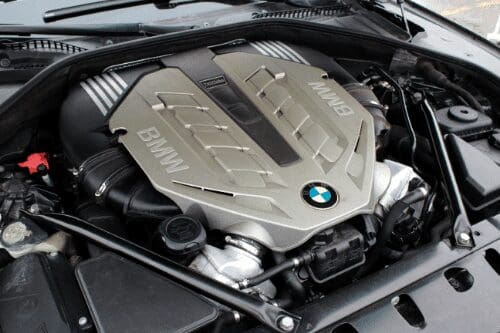
If your temperature gauge is creeping up, you’re topping off coolant more than you used to, or you’re hearing a grinding sound from the front of the engine, a failing water pump is one possible cause — but so is a stuck thermostat, a bad radiator, or a simple hose leak. A water pump replacement typically runs between $562 and roughly $1,338, according to RepairPal, YourMechanic, and Kelley Blue Book pricing data pulled September 2026, with the spread driven mainly by whether the job is bundled with a timing belt. Before anyone replaces a water pump, a shop should confirm the leak or overheating actually traces to the pump, not just react to a warning light.
What actually goes wrong before a shop calls it the pump
A rising temperature gauge doesn’t automatically mean a bad water pump. Kelley Blue Book’s water pump advice page (published February 17, 2025, updated since) lists the warning signs a pump gives before it fails outright: "puddles of green (coolant) antifreeze fluid on the garage floor," a temperature gauge climbing into the red zone or triggering the dashboard warning light, "an awkward, low-pitched grinding sound from the engine" from a worn bearing, and coolant dripping from a weep hole at the front of the engine. YourMechanic describes the same failure from the parts side: "the water pump impeller shaft is supported by a bearing," and when that bearing or seal wears, the pump can leak or the impeller can lose its grip. Despite the shared name, the fuel pump is a different system and a different quote; see what a fuel pump replacement quote includes.
This article does not diagnose your vehicle. It describes what a real diagnosis looks like so you know whether a shop skipped a step — a quote that jumps from "the temp gauge ran hot" straight to "you need a water pump" without checking the weep hole or bearing has skipped one.
How a shop confirms it’s actually the water pump
A weep hole and a bearing check separate a real diagnosis from a guess. KBB names the weep hole specifically: some water pumps have a built-in outlet where water drips out if the pump is beginning to fail. A grinding or wobbling pulley sound, per the same source, points to a failing bearing instead.
| What’s checked | What it rules in or out | Source |
|---|---|---|
| Weep hole for coolant seepage | Confirms a failed pump seal, distinct from a hose or gasket leak | Kelley Blue Book |
| Pulley/bearing noise and play | Confirms a worn pump bearing versus a belt or tensioner issue | Kelley Blue Book |
| Temperature gauge and dashboard light behavior | Flags reduced coolant circulation, not proof of a specific part | Kelley Blue Book |
What a water pump replacement quote includes
A quote answering "water pump replacement" should account for more than the pump itself. KBB’s cost breakdown puts the average dealership job at about $900, with parts running "$200 to $400" and labor "two-thirds of the total replacement cost." YourMechanic lists what typically comes along: a new gasket or seal, coolant to refill the system, and — on timing-belt-driven engines — the belt itself, since the pump has to come out for the belt to come off. The AC compressor rides the same accessory belt and is quoted separately; what an AC compressor replacement quote includes explains that estimate.
| Line item | What it covers | Typical driver of cost |
|---|---|---|
| Water pump unit | The physical pump, mounted at the front of the engine | OEM vs. aftermarket, mechanical vs. electric |
| Gasket, seal, or RTV sealant | Seals the pump to the engine block | Included with a new pump per YourMechanic |
| Coolant | Refill after the system is drained | Coolant type and system capacity |
| Timing belt (when applicable) | Replaced alongside the pump on belt-driven designs | See bundling section below |
| Labor | Drain, swap, reassembly, refill, leak check | Access complexity — see labor section below |
No fetched source states a specific core-charge dollar amount for water pumps, so none is published here.
Timing-belt-driven vs. accessory-driven pumps
Where the pump gets its power from is the single biggest swing factor in the labor bill. YourMechanic states plainly that "the replacement procedure will vary depending on whether the pump is driven by the timing belt, the serpentine belt, or chain." On a timing-belt-driven design, the job "requires removal of the crankshaft pulley, timing belt covers, and timing belt tensioner" before the pump is reachable — the same teardown a timing belt job requires on its own. An accessory-belt-driven pump is shallower: no crank pulley or timing cover removal, just the accessory belt and whatever bracket work reaches the pump. When the pump is behind the timing belt, the belt is replaced with it; what a timing belt replacement quote includes covers that job.
| Drive type | What has to come off first | Relative labor | Source |
|---|---|---|---|
| Timing-belt-driven | Crank pulley, timing covers, timing belt, tensioner | Higher — same teardown as a timing belt job | YourMechanic |
| Serpentine (accessory) belt-driven | Accessory belt and surrounding brackets only | Lower — no timing system disassembly | YourMechanic |
| Chain-driven | Varies; typically deeper into the engine front cover | Varies by platform; not broken out separately in sources fetched for this draft | YourMechanic |
No fetched source publishes a controlled price comparison isolating drive type for the same vehicle — the direction of the cost difference is documented, not a dollar spread.
Electric water pumps: the newer exception
Not every water pump runs off a belt at all. KBB notes some engines skip the belt entirely: "some engine designs have pumps receiving energy from the vehicle’s electrical system," naming Toyota and Lexus hybrid models, "some Audi, Bentley, and Volkswagen models," and "several cars from BMW." No fetched source breaks out electric-pump pricing separately from the belt-driven averages above, so none is stated here.
Why water pump jobs are often bundled with a timing belt
On a belt-driven pump, "just the water pump" is often the wrong question to ask a shop. YourMechanic’s maintenance guidance is direct: "in engines where the water pump is driven by the timing belt, it is a good idea to replace the water pump at the same time the timing belt is replaced," since it’s "always recommended" once a mechanic already has those components removed for a scheduled belt job. KBB adds that some mechanics recommend the pump as preemptive maintenance timed to that same service, rather than waiting for it to fail.
RepairPal’s related-repair data (last updated September 3, 2026) shows why the math favors bundling: a standalone timing belt job runs $918–$1,338, and a standalone water pump runs $891–$1,135. Both require pulling the same crank pulley, timing covers, and tensioner, so doing them together avoids paying that labor twice within a few years. Shops sometimes bundle plugs into the same visit; see what a spark plug replacement quote includes.
Coolant, thermostat, and what else typically rides on the same ticket
A water pump job is also when a shop looks at the rest of the cooling system. RepairPal lists related repairs commonly quoted alongside a water pump: a thermostat at $616–$716 (labor $195–$286, parts $421–$429, per RepairPal’s thermostat estimate, also dated September 3, 2026) and a radiator hose at $498–$558. YourMechanic makes the thermostat pairing explicit: "it is best to install a new cooling system thermostat when you install a new water pump, especially if the thermostat is old or original," with a full coolant flush recommended at the same time.
| Related item | Typical cost | Why it’s often bundled | Source |
|---|---|---|---|
| Thermostat replacement | $616–$716 | Same coolant drain-down; often old by the time a pump fails | RepairPal |
| Radiator hose replacement | $498–$558 | Limited hose lifespan; inspected while system is open | RepairPal |
| Full coolant flush | Not separately priced in this draft’s sources | Recommended whenever the system is already drained | YourMechanic |
Labor hours and access
Access, more than raw wrench time, is what makes one water pump job cost twice another. KBB puts the typical repair window at "two to three hours," noting the job can be "simple or difficult, depending on the vehicle and the water pump’s location," since on some engines the pump "may be hidden under other components and require special tools." YourMechanic’s step-by-step description matches: coolant drains below the pump level, whatever sits in front comes off first, and belt-driven pumps add the timing teardown described above before the old pump is even reachable.
Dated example quotes
These are the exact figures the fetched sources published — not AAR’s pricing.
| Source | Vehicle | Parts | Labor | Total | Date |
|---|---|---|---|---|---|
| YourMechanic | 2012 Honda Ridgeline | $411.97 | $496.36 | $908 | Accessed Sept. 2026 |
| YourMechanic | 2010 GMC Savana 2500 | $319.52 | $321.17 | $641 | Accessed Sept. 2026 |
| YourMechanic | 2009 Dodge Ram 2500 | $240.47 | $321.17 | $562 | Accessed Sept. 2026 |
| YourMechanic | 2011 BMW 528i | $655.54 | $394.17 | $1,050 | Accessed Sept. 2026 |
| YourMechanic | 2012 BMW X5 | $348.29 | $408.77 | $757 | Accessed Sept. 2026 |
| YourMechanic | 2010 Mercedes-Benz CLS63 AMG | $368.71 | $350.37 | $719 | Accessed Sept. 2026 |
| RepairPal (national average) | Across sampled vehicles | $525–$598 | $366–$536 | $891–$1,135 | Sept. 3, 2026 |
| Kelley Blue Book | Dealership average | ~$200–$400 (parts, implied) | ~two-thirds of total | ~$900 | Published Feb. 17, 2025 |
| RepairPal | Timing belt replacement (bundling comparison) | — | — | $918–$1,338 | Sept. 3, 2026 |
YourMechanic publishes a full parts/labor breakdown for all six examples above. RepairPal’s national range and KBB’s dealership average describe averages rather than a specific vehicle.
When it’s not the water pump
A hot-running engine or a coolant leak doesn’t always mean the pump. Before paying for a replacement, ask what was ruled out:
- A stuck thermostat. A failed thermostat can cause the same overheating symptom; RepairPal prices a standalone thermostat replacement separately ($616–$716), which only makes sense if the two are diagnosed as distinct failures.
- A hose or radiator leak, not a pump seal failure. KBB’s weep-hole guidance exists specifically to separate a pump-seal leak from a hose or radiator leak in the same engine bay.
- A worn belt causing pulley noise, not a pump bearing. YourMechanic notes pump noise stems from a worn bearing, but a slipping belt can sound similar — no fetched source describes a test isolating the two, so that differential is named without a cited procedure.
- Low coolant from a cap or reservoir issue, not a pump failure. KBB treats persistently low coolant as a signal to check for a leak before assuming which component is responsible.
No fetched source supports remote or over-the-phone water pump diagnosis. Every check above requires the vehicle in the shop.
Signs the diagnosis skipped a step
A quote can be real and still be for the wrong repair. One sign is a shop that moves from "the gauge ran hot" straight to a water pump recommendation without a weep-hole check. A second sign is a quote for "just the water pump" on a timing-belt-driven engine with no mention of the belt itself — YourMechanic treats replacing both together as standard practice on that design. A third is a quote that doesn’t distinguish pump-bearing noise from belt noise, since those point to different parts.
What to ask before you approve the repair
- Where was the leak or noise traced to — the weep hole, a hose, the radiator, or elsewhere?
- Is this pump timing-belt-driven, accessory-belt-driven, or electric — does the quote reflect that?
- If timing-belt-driven, does the quote include the belt, or is that a separate job?
- Is a thermostat replacement or coolant flush included, and if not, why not?
- Is the quoted pump new OEM, new aftermarket, or remanufactured?
A shop that can answer all five is testing the system, not guessing. If it can’t answer the first two, the diagnosis likely stopped at the gauge rather than the cooling system — fair grounds to ask for the actual inspection before you approve a $562–$1,338 repair.
None of this claims any specific vehicle needs a water pump. KBB’s guidance is explicit that pumps on newer vehicles can run past 100,000 miles, and that overheating, leaks, and noise can each come from several parts of the cooling system — precisely why a weep-hole check comes before a parts order, not after.
For a Rowlett-area vehicle showing overheating, a coolant leak, or a grinding noise from the engine, Accelerate’s cooling system repair page is the existing local owner for identifying what’s behind a cooling-system symptom before any part is replaced. That link is not a claim that water pump replacement itself is offered or priced there.